AI Hub
Seamless EVV Software Migration for Wisconsin's Trusted Home Care Agencies
This video explains how agencies in Wisconsin can migrate from legacy systems or manual workflows to an EVV-compliant platform. Key features: open API for data migration (clients, caregivers, schedules, visit history), personalised training/support and minimal service disruption. Wisconsin offers both the DHS-provided system (Sandata) or approved alternate EVV systems.
Who we empower every day
By Role
- Agency Owners — Lead migration strategy: map data, ensure workflow continuity, staff training and transition minimise service disruption.
By Persona
- Supervisors — Validate that migrated data (caregivers, clients, schedules) is complete, test mobile/telephony EVV workflows and monitor early adoption.
- Care Managers — Ensure service delivery continues without interruption, client visibility is maintained, documentation remains intact.
- Billers — Confirm that EVV data flows into billing/claims systems correctly post migration and monitor for denial spikes.
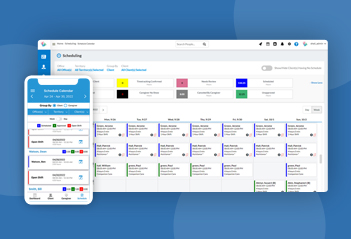
- Schedulers — Implement new scheduling workflows integrated with EVV capture, train staff, rollout phased adoption and monitor coverage.
- Caregivers — Receive training on new mobile/telephony clock-in/out, document visits via the new system, maintain continuity of service.
- On-Call/Backup Coordinators — Support coverage during transition, ensure substitute staff adoption, preserve EVV capture and documentation integrity.
Migration is more than a software swap—it’s about preserving EVV compliance, mobile/telephony workflows, scheduling integrity and billing continuity. In Wisconsin, your transition plan must consider DHS-provided or alternate EVV systems, integration with the Sandata aggregator and staff readiness.