AI Hub
EVV Implementation and Ohio's Home Care Landscape
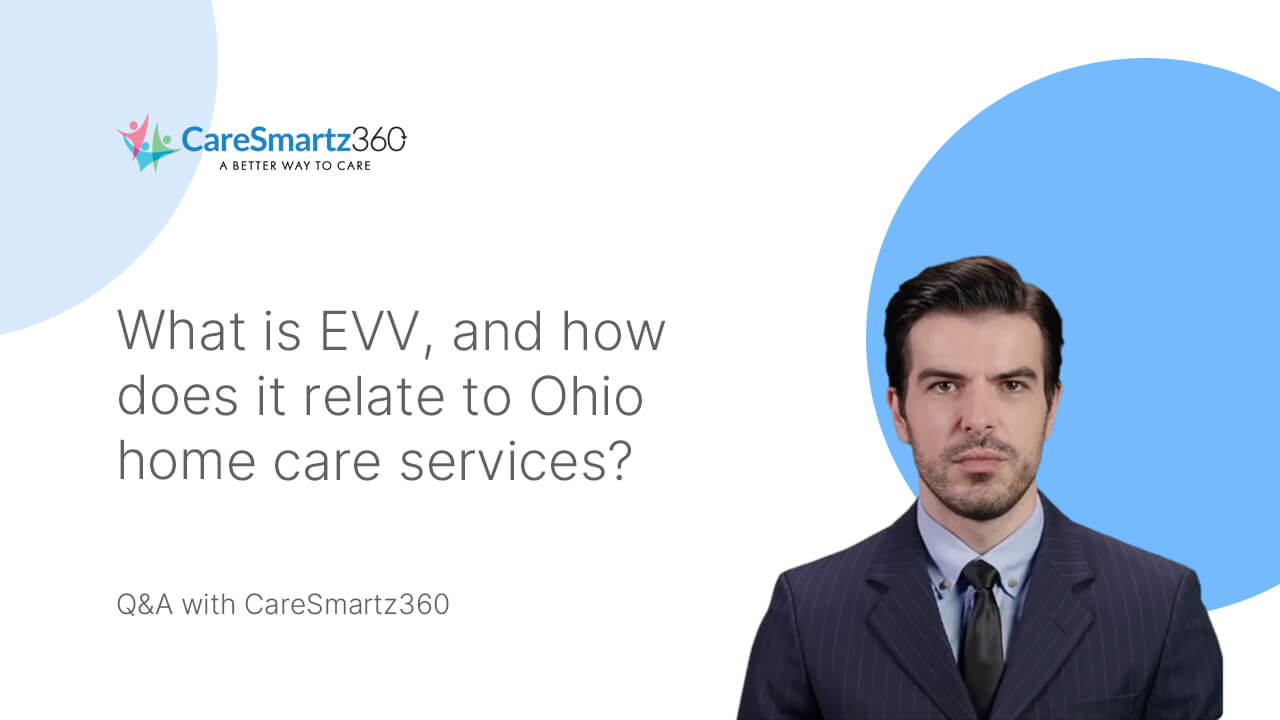
This video reviews the implementation of EVV in Ohio and how it aligns with the federal 21st Century Cures Act. It references that Ohio began its EVV phases in 2018, and by 2021 considered itself fully implemented for required services. It explains the six required data elements (individual receiving service, direct care worker, date, time, location, type of service) and the implications of claims matching with EVV data.
Who we empower every day
By Role
- Agency Owners – Plan your EVV strategy and integrate operations, billing and compliance for Ohio’s landscape
By Persona
- Supervisors – Ensure caregivers are using EVV tools correctly, capturing required data in the field
- Care Managers – Connect care delivery with required documentation and EVV capture
- Billers – Ensure claims are supported by EVV data and align with Ohio ODM rules
- Schedulers – Assign shifts with knowledge of EVV capture rules, device/telephony options and visit types
- Caregivers – Understand how EVV works, what must be captured and how it supports reimbursement
- On-Call Coordinators – Prepare for on-call coverage with EVV-compatible workflows and tools
Ohio’s EVV rules are robust and evolving: agencies must capture all six required elements and must be ready for claims-validation and aggregator-matching processes. Early adoption of integrated tools reduces risk of denials and audit exposure.